Why Radon Retest Verification Matters After Mitigation
After a radon mitigation system is installed, it is tempting to assume the problem is solved for good. You run a quick test, see a low number, and move on. But radon gas is not always that predictable. Soil conditions change, equipment ages, and even a well-designed system can lose efficiency over time. That is where radon retest verification comes in. It is not just a box to check. It is a way to confirm that the radon reduction you paid for is actually holding up.
I have seen too many homeowners rely on a single post-mitigation test and never think about radon again. Then a year later, when they do a home inspection for a sale or just out of curiosity, the readings come back high. The mitigation work was good on day one, but something shifted. A radon fan might have degraded, a seal around the sub-slab depressurization pipe might have cracked, or new cracks in the foundation let soil suction radon back in. Radon retest verification catches these problems before they become health risks.
What Radon Retest Verification Actually Means
Radon retest verification is the process of running a second radon measurement after an initial post-mitigation test has shown acceptable levels. The goal is to see if those levels stay low over time. It is a quality check on the radon system installation and the overall indoor air quality of the home. Think of it as a follow-up visit, not a one-time event.
Some people confuse retesting with the initial post-mitigation test. That first test, often called a post-mitigation test, happens right after the system is installed. It tells you if the radon remediation is working at that moment. But radon levels can fluctuate with weather, barometric pressure, and seasonal changes. A retest a few months later gives a more complete picture. The EPA recommends testing every two years anyway, but for a home with an active mitigation system, a yearly retest is wise.
The Role of Standards in Verification
There are established guidelines for radon testing, and they apply to retesting too. ANSI standards for radon measurement require specific test durations and placement. When you do a radon retest verification, you should follow the same protocols. That means placing the radon detector in the lowest livable level, keeping windows and doors closed as much as possible during the test period, and running the test for at least 48 hours. These rules exist to give you reliable data.
I have worked with properties where the first retest was done with a cheap detector left on a shelf near an open window. The result was meaningless. Radon retest verification only works if you treat it with the same seriousness as the initial test. Otherwise, you are just guessing.
When to Schedule a Retest
The timing of a radon retest can make a big difference. Right after mitigation, levels are often at their lowest. But as the seasons change, the pressure difference between the soil and your home shifts. In St. Louis, radon levels tend to be higher in the heating season because the house is sealed up and the stack effect pulls soil gases in. A summer test might look great, but a winter retest could tell a different story.
I usually advise homeowners in the St. Louis radon area to do their first retest about six to twelve months after the radon system installation. That gives enough time for seasonal variation and for any settling of the system components. If you used a continuous radon monitor for the initial verification, you already have a sense of daily swings. But a long-term test with a passive device gives an average that is harder to argue with.
Another good time to retest is after any major construction or excavation near the foundation. If you add a new room, dig a basement, or even regrade the yard, the soil suction dynamics can change. Radon retest verification after such work is not optional. It is basic risk assessment.
How to Perform a Reliable Retest
You have a few options for radon retest verification. The simplest is to buy a short-term radon test kit from a hardware store or online. These are usually charcoal-based and require you to send the detector to a lab. They work fine as long as you follow the instructions. But I have seen people open the kit, set it out, then forget to seal it back up. That ruins the sample.
A better approach for retesting is to use a continuous radon monitor. These electronic devices give you hourly readings and can show if the radon fan or sub-slab depressurization system is working consistently. Some models connect to your phone and alert you if levels spike. That kind of data is invaluable for radon retest verification because it captures short-term events that a single passive test might miss.
If you hire a professional, they will often use a continuous radon monitor and place it in the same spot as the original post-mitigation test. Consistency in location and protocol makes the comparison meaningful. Air Sense Environmental, for example, will do a full radon measurement and compare it to the baseline from the installation. They can also inspect the system visually while they are there.
Common Mistakes That Skew Results
People sometimes treat retesting casually, and that leads to bad data. Here are a few pitfalls I see regularly:
- Testing during a period of extreme weather, like a thunderstorm or a heatwave, when radon levels can temporarily spike or drop.
- Placing the detector in a different room than the original test, which makes the comparison invalid.
- Running the test for too short a time, like 24 hours, when the standard is 48 hours or more.
- Leaving windows open during the test, which dilutes the radon measurement and gives a false low reading.
- Using an expired test kit or one that was stored improperly, such as in a hot garage.
Each of these mistakes can make radon retest verification useless. You end up with a number that does not reflect the actual situation, and you might make decisions based on bad information. If the test says levels are low but the system is failing, you lose the opportunity to fix it early.
What the Results Tell You
A successful radon retest verification shows that levels remain below the EPA action level of 4 picocuries per liter. Ideally, they are well below that. If the retest shows levels higher than the original post-mitigation test, you need to investigate. The problem could be a failing radon fan, a disconnected pipe, or new entry points for radon gas. Sometimes the system is fine but the radon entry load has increased due to changes in the soil.
One thing I have learned is that a single high reading does not always mean the system is broken. Radon levels fluctuate. But if the retest shows a clear upward trend, or if it exceeds 4 pCi/L, then it is time to call in a professional. They can run a diagnostic test, check the sub-slab depressurization pressure, and look for cracks or gaps in the foundation. Radon retest verification is the trigger for that action.
The Bigger Picture on Indoor Air Quality
Radon is not the only concern for indoor air quality, but it is one of the most dangerous because you cannot see or smell it. A mitigation system is a long-term investment in your health. Treating it like a one-and-done project is a mistake. Regular radon retest verification gives you peace of mind and helps you catch problems early. It is a small effort compared to the cost of a full radon reduction system or the health risks of prolonged exposure.
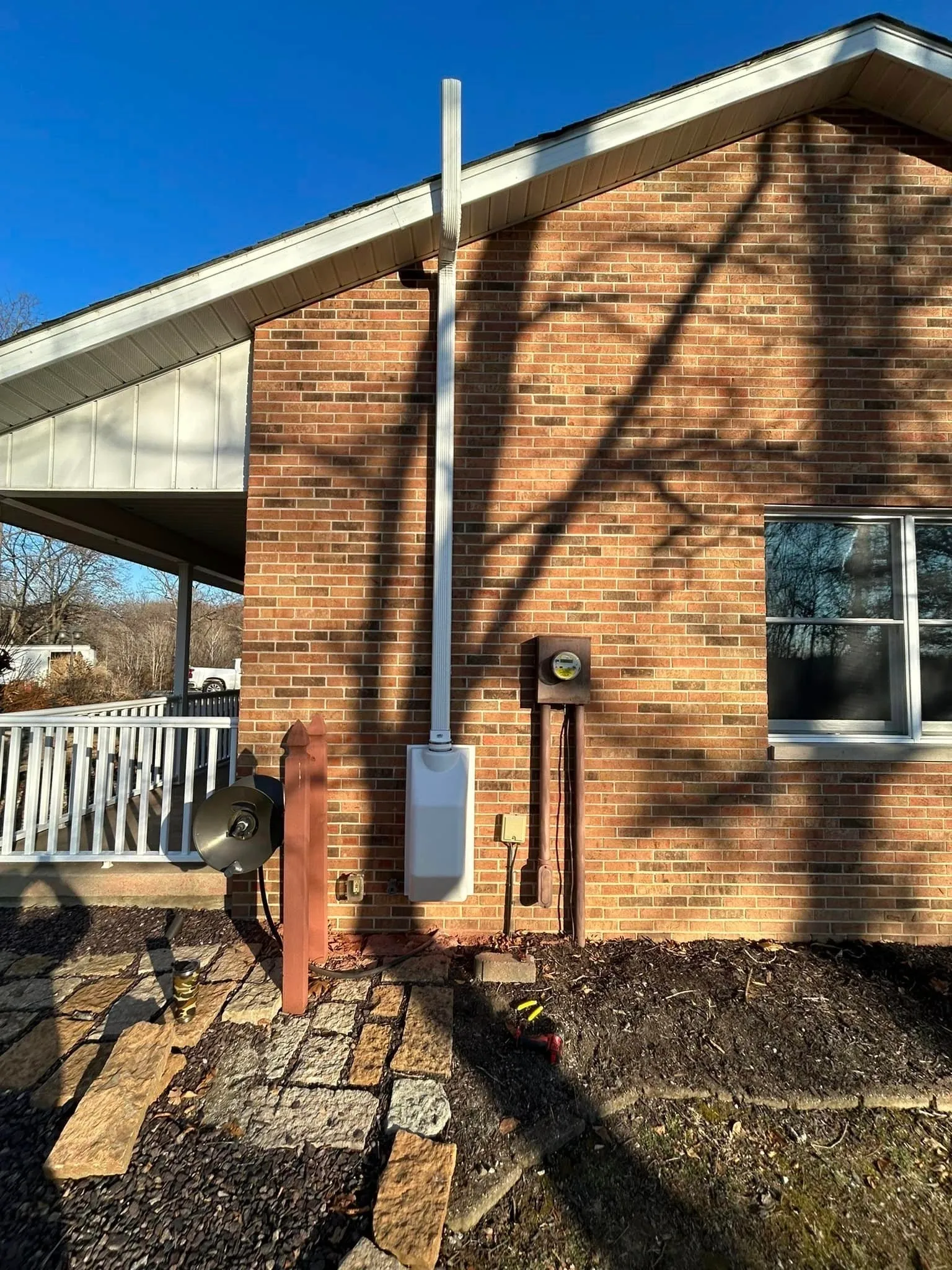
In St. Louis, where the geology is prone to radon gas, many homes have sub-slab depressurization systems. These systems rely on a radon fan to create negative pressure under the slab and vent the gas outside. That fan can wear out. The piping can get damaged. The seal around the slab can degrade. A yearly radon retest verification is the only way to know that everything is still working as intended.
I have seen families go years without retesting, only to sell the house and discover the levels are high again. The buyer demands a new mitigation system, and the seller ends up paying for work they already did. That is avoidable. A simple radon retest verification once a year would have caught the problem early.
So if you have a mitigation system, do not let it become out of sight, out of mind. Schedule a retest. Use a reliable radon detector, follow the protocol, and compare the results to your baseline. It is one of the smartest things you can do for your home and your health.
Ends · RADONRETESTVERIFICATIONTIMES